Chinese Women’s National Team: The Steel Roses
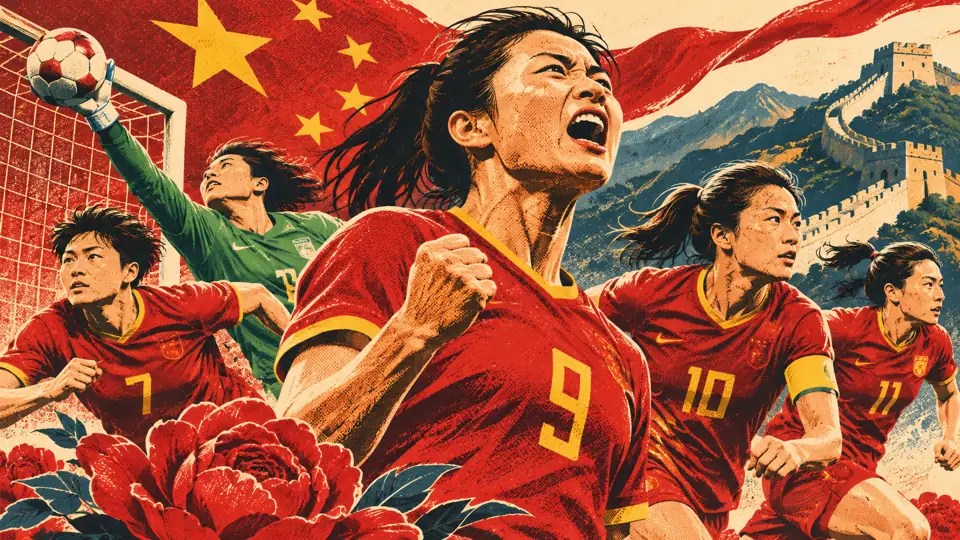
Chinese Women’s National Team: The Steel Roses is more than a headline or a set of results. Understanding the achievements and identity of China’s women’s team means examining the people, institutions and decisions behind the football. This guide explores the subject for readers following Chinese football from China and overseas.
Why this story matters
The significance of Chinese Women’s National Team becomes clearer when viewed in the wider context of Chinese football. Club identities, competition formats, player pathways and commercial realities interact: a strong performance on the pitch does not automatically translate into long-term stability.
For international readers, the useful starting point is context rather than a single scoreline. The achievements and identity of china’s women’s team offers a way to understand why this subject attracts attention and what might change over time.
A careful assessment should distinguish established history from present-day claims. Managers, registrations, ownership arrangements and league positions can change quickly; current details should always be checked against official announcements before publication.
Football identity and playing style
On the pitch, the most revealing questions concern how teams or players solve problems. Consider build-up play, pressing, transitions, set pieces and the ability to adjust when an opponent changes shape. These features reveal more than a simple win-loss record.
For this topic, useful lenses include international competition, investment, and player development. They should be assessed through repeated performances rather than isolated highlights. A convincing analysis combines observation with reliable match data and recognises the influence of opponents and game state.
Coaches and players also operate within constraints: squad depth, travel, scheduling, injuries and available training time. Tactical preferences can only be evaluated fairly alongside those practical conditions.
Development, organisation and long-term outlook
The longer-term question is whether the structures around Chinese Women’s National Team support improvement. Sustainable progress usually requires coherent recruitment, effective coaching, sensible budgets and a pathway for younger players.
An academy is not successful simply because it exists. Meaningful measures include progression to senior football, minutes played at an appropriate level, quality of coaching and support for education and wellbeing.
Likewise, a famous signing or a short winning streak is not a substitute for an operating model that can survive changes in personnel and finances. Supporters and journalists should look for evidence of continuity.
What supporters should watch next
When following Chinese Women’s National Team, look for consistent indicators: selection decisions, opportunities for younger players, tactical adaptability and public information about club or federation plans. These are more useful than unverified transfer rumours.
Match statistics need context. Possession, shots and expected goals can help explain a performance, but competition level, opponent quality and sample size all matter. No single number can establish a team’s future trajectory.
For the latest developments, consult competition organisers, official club or national-team channels and reputable reporting. This article is an evergreen background feature, not a live results service.
Further football coverage
Explore more reporting and club profiles at ChinaFootball.net. For a separate perspective on English football analysis and betting education, visit PremierBettingTips.com. These are independent editorial resources; match predictions should never be treated as guaranteed outcomes.
Final perspective
Chinese Women’s National Team deserves attention for its wider football story as well as individual performances. The clearest understanding comes from balancing history, tactical observation and evidence of sustainable development. Follow ChinaFootball.net for further Chinese football features and analysis.
Leave a Reply